Open Language Models

The questions we ask today involve
What is an open model?

Open weights: the trained weights are released for anyone to download and run.





Open source: weights plus training data and code, for replication, modification or study.





All of these are differentiated from the likes of Claude, GPT, etc. that are available exclusively via an API.
Open and open-source is on a spectrum (Solaiman, 2023), with the prime example being NVIDIA’s Nemotron models which release a good amount, but not all of the data used to build the model.
A timeline of key open-weight models
Key open models for research
Open weights come with licenses – contracts governing use
Why should we care about open models?
Two historical traditions: free software and open source
Why people want open models
Why I build open language models
- We need more openness to foster safety and long-term innovation around AI
- The US is losing its hold on the scientific ecosystem by its closed nature
- It was a differentiated career path, as I wasn’t an AI insider when I started on LLMs
- Sharing the benefits of AI widely feels right
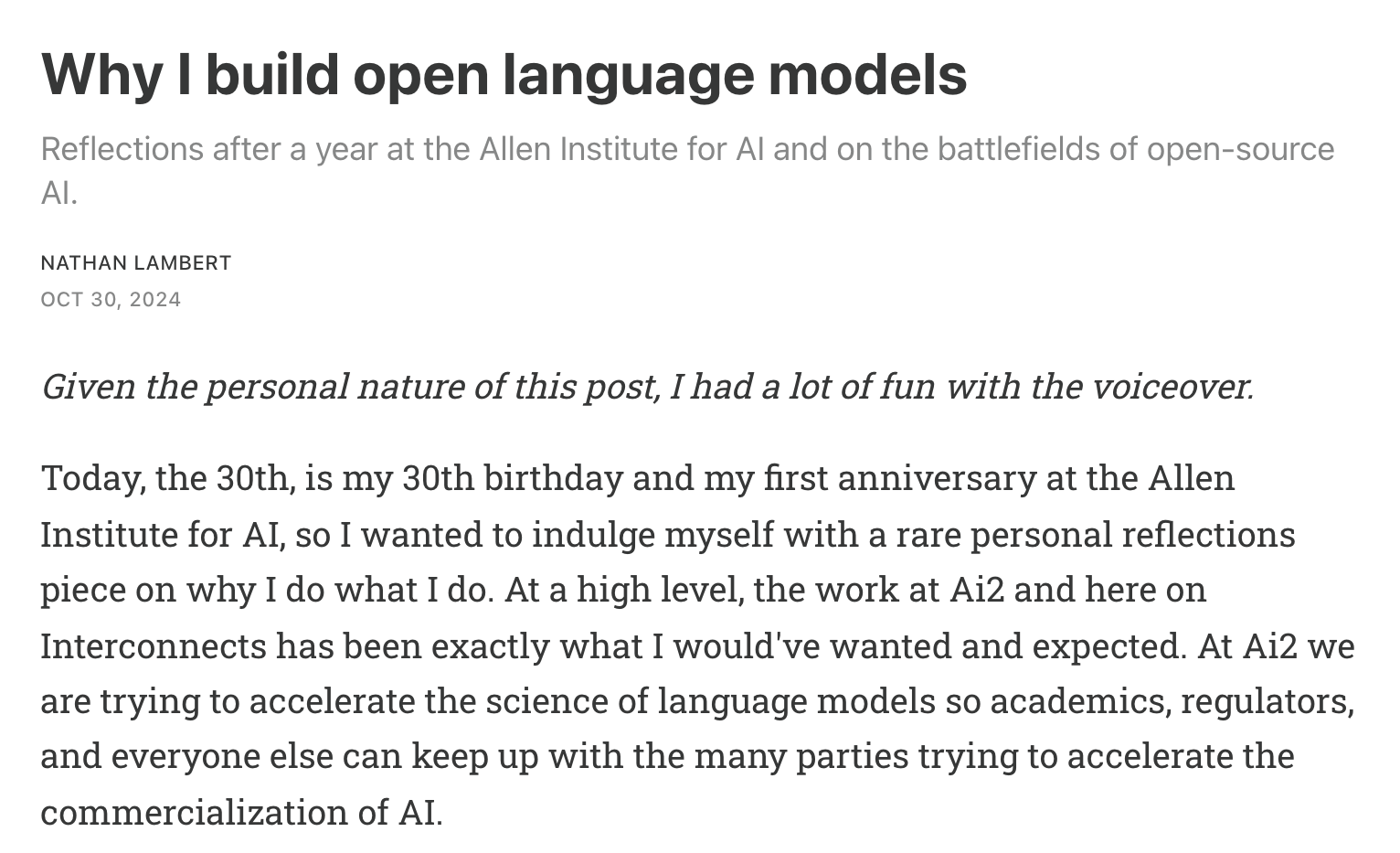
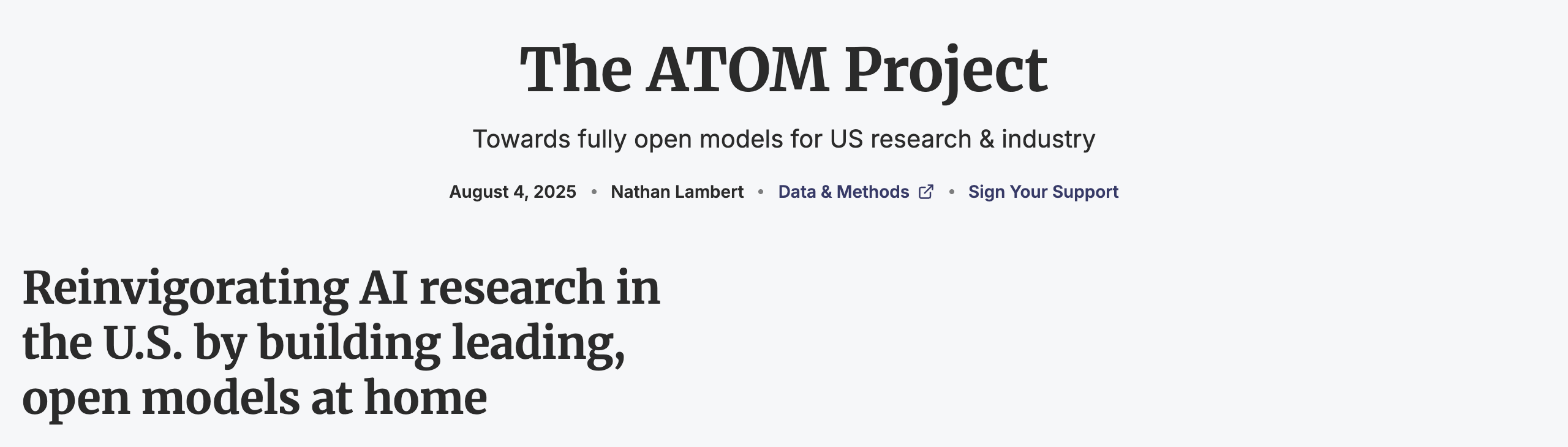
Why I build open language models
Translation: Openness lead us to so much of this AI revolution – we should continue to invest in it for the scientific benefits of a longer term impact.
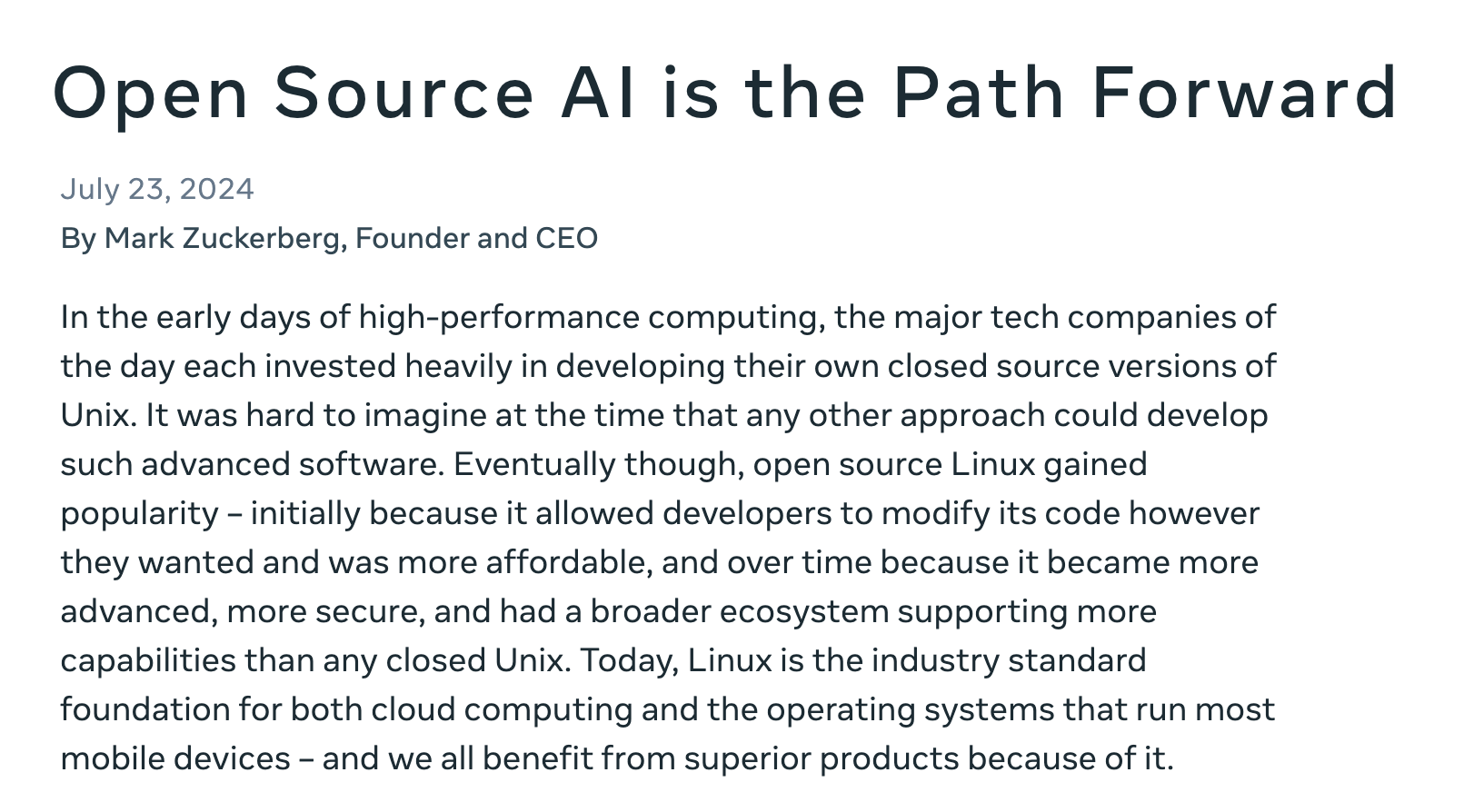
Meta: open source AI is the path forward
Great post on why open-source AI is good for developers, large companies (in this case Meta), and the world. One of the best writings on “why” open models.
Open source AI is a business strategy too
It’s a natural equilibrium for the second place player to open-source – increases competition, gains them market share and distribution, and yields soft power.
…companies have learned to use open source as a deliberate corporate-strategy tool — to neutralize a stronger competitor, commoditize an expensive input, align an industry around a shared standard, or head off a regulatory crisis.
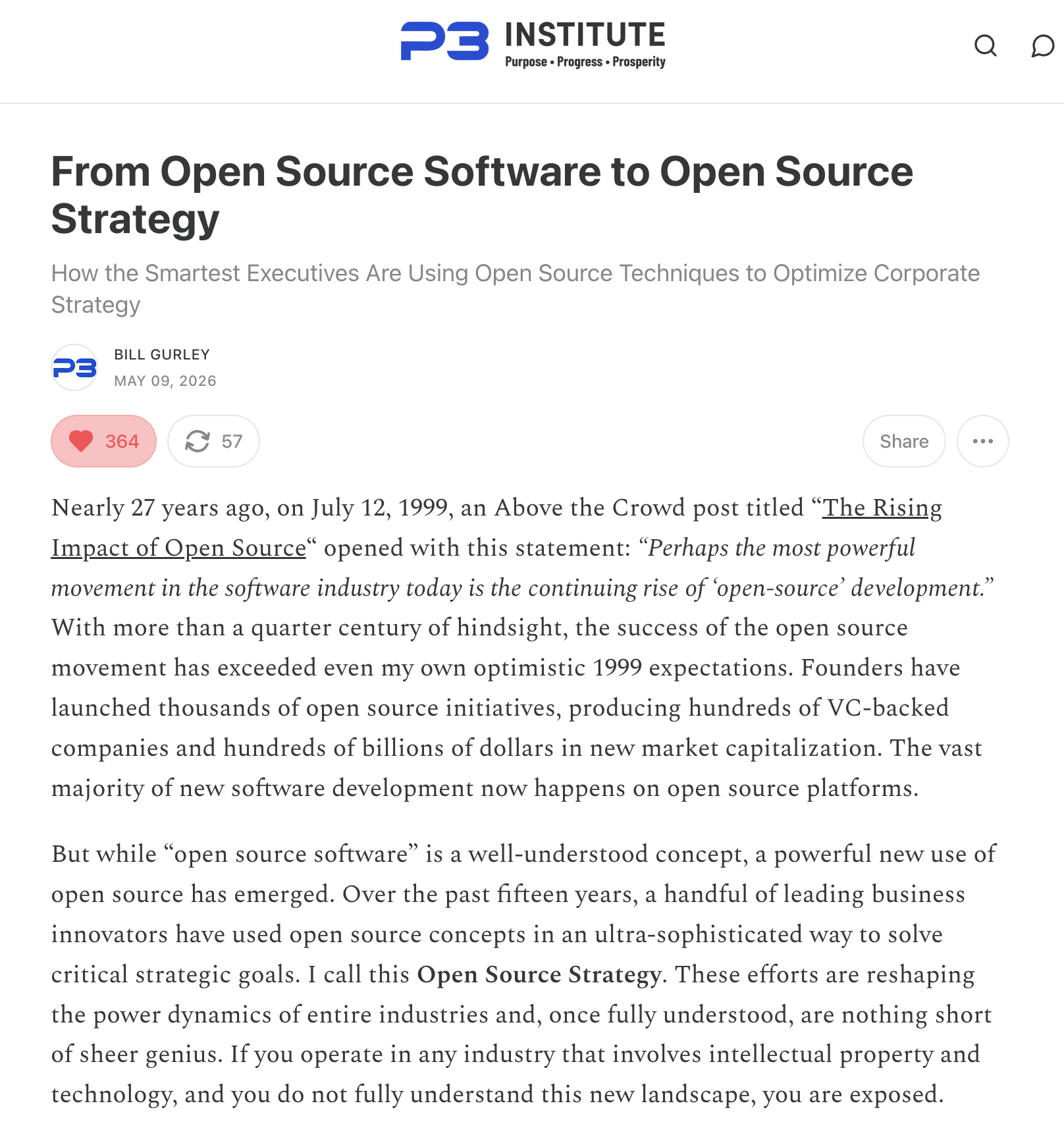
Open source AI is a business strategy too
It’s a natural equilibrium for the second place player to open-source – increases competition, gains them market share and distribution, and yields soft power.
Gurley has argued this for decades:
- The Rising Impact of Open Source (July 12, 1999)
- The Freight Train That Is Android (March 24, 2011)
…Bill’s backlog is great.
An economic engine for ownership and cost-saving
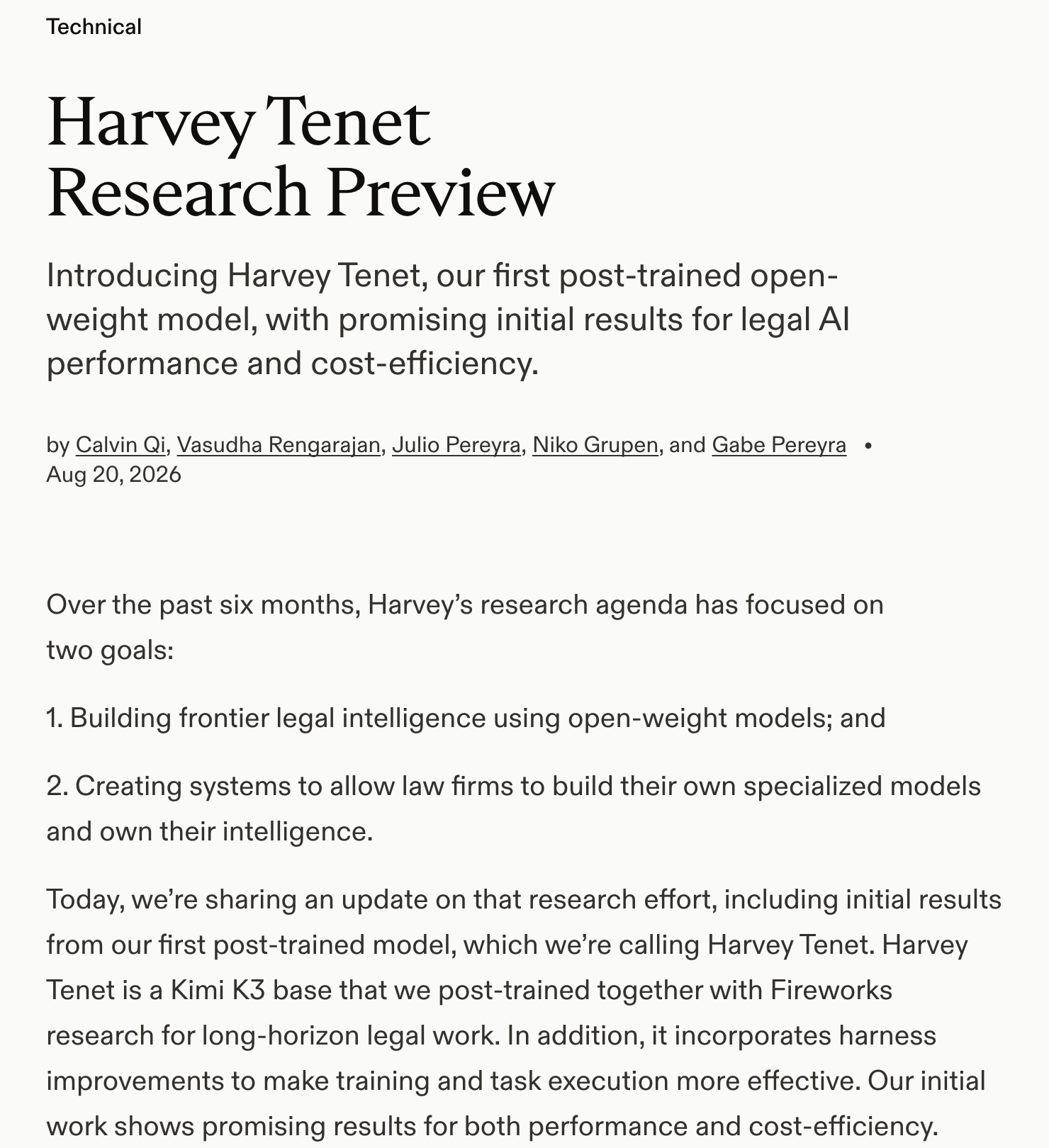
Harvey, August 2026: a Kimi K3 base post-trained with Fireworks for legal work, so law firms can own their models
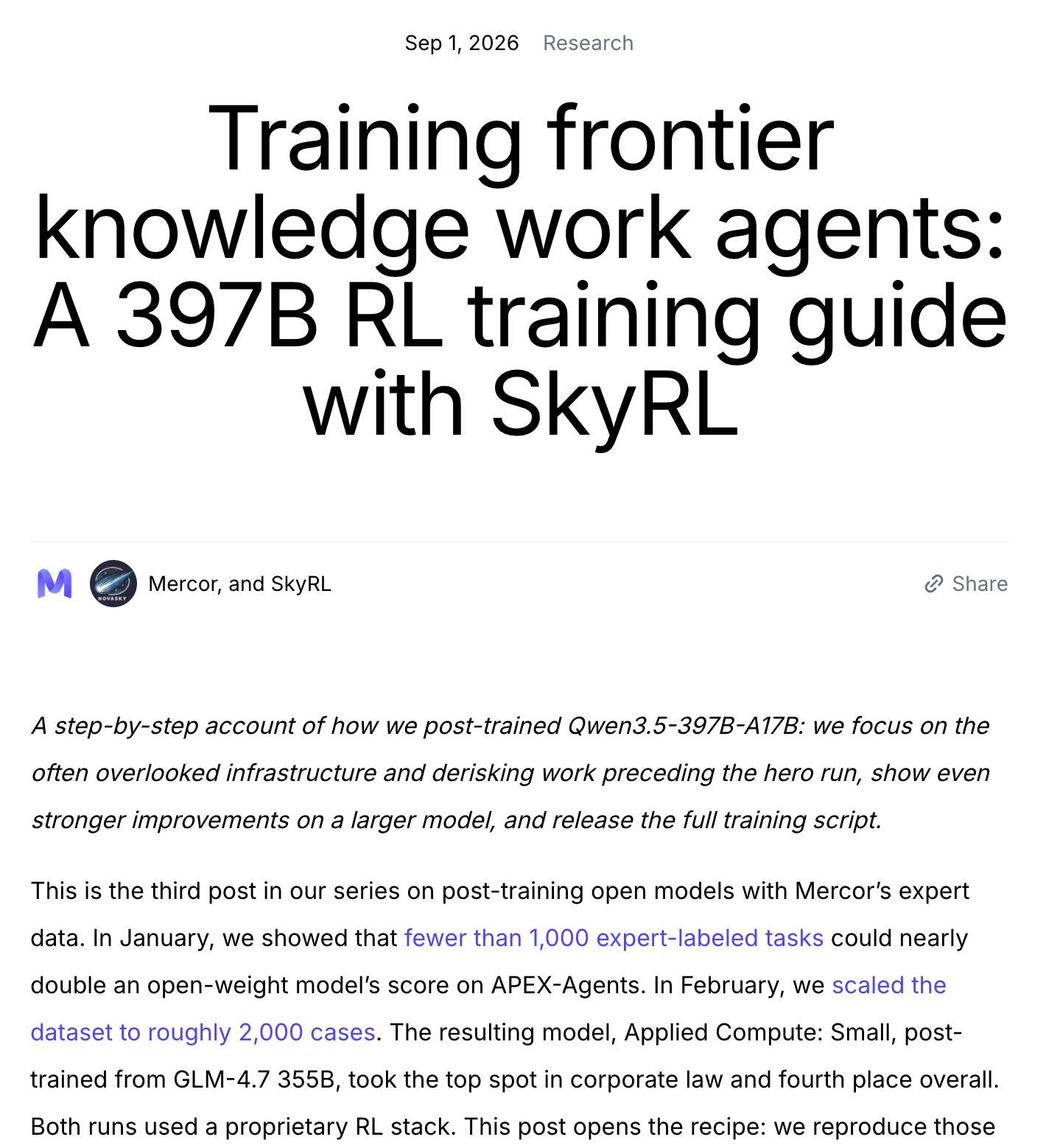
Mercor and SkyRL, September 2026: Qwen3.5-397B-A17B post-trained on expert data, with the script and weights released
Example: Harvey post-trains Kimi K3 for legal work
Harvey, August 2026: a Kimi K3 base post-trained with Fireworks for legal work, so law firms can own their models
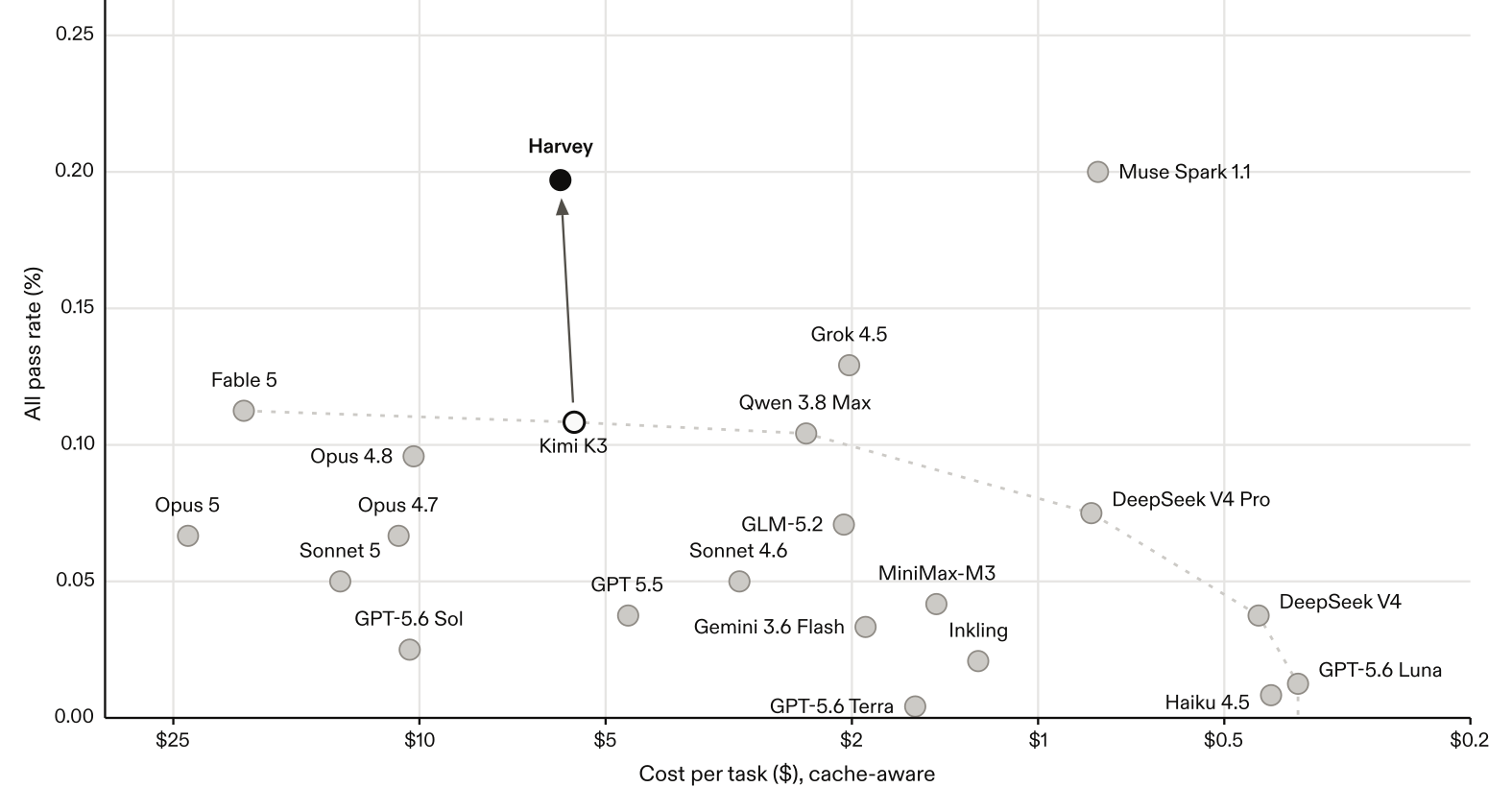
Harvey, August 2026: quality-cost frontier on Legal Agent Bench hold-out tasks; Tenet nearly doubles the all-pass rate of its Kimi K3 base at a stable cost
Why did the Chinese labs all start building open models?
Chinese labs collectively wanted their models and work to matter. Many had been working on models for a very long time – e.g. Zhipu’s first open GLM model was in 2021! Other newer startups, such as Moonshot AI with Kimi decided on open weights to gain adoption.
A common urgency to gain relevance in the Western AI discourse. Chinese labs follow the US AI scene very closely, but the opposite doesn’t really exist.
DeepSeek R1’s release in Jan. 2025 sparked many other entrants into the (open) space: Ant Ling (Ant Group), Meituan (Delivery App), Xiaomi, etc.

How competitive are the best open models today?
Recent models!
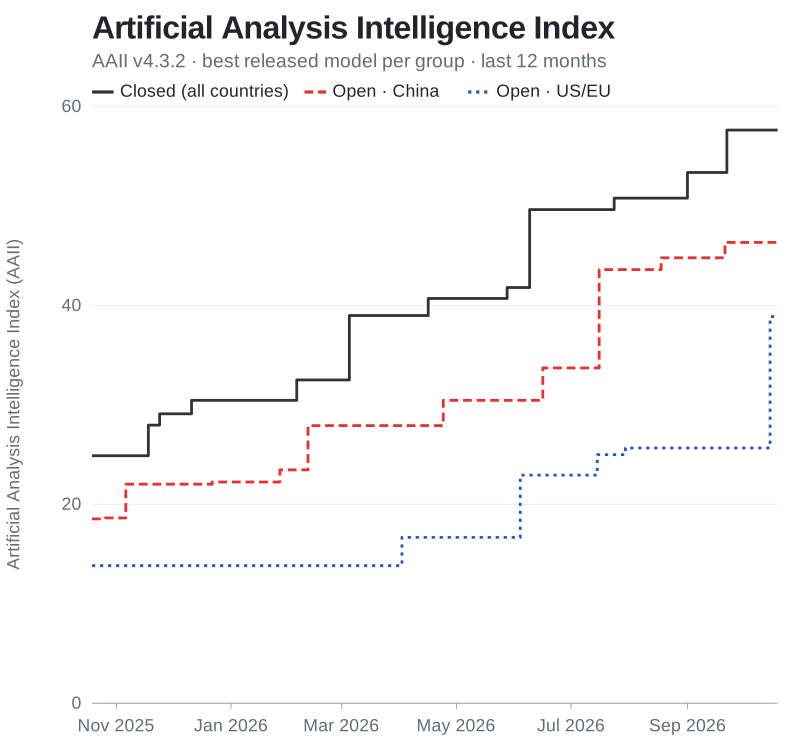
Open weights trail the frontier by a few months (~3 months via Artificial Analysis)
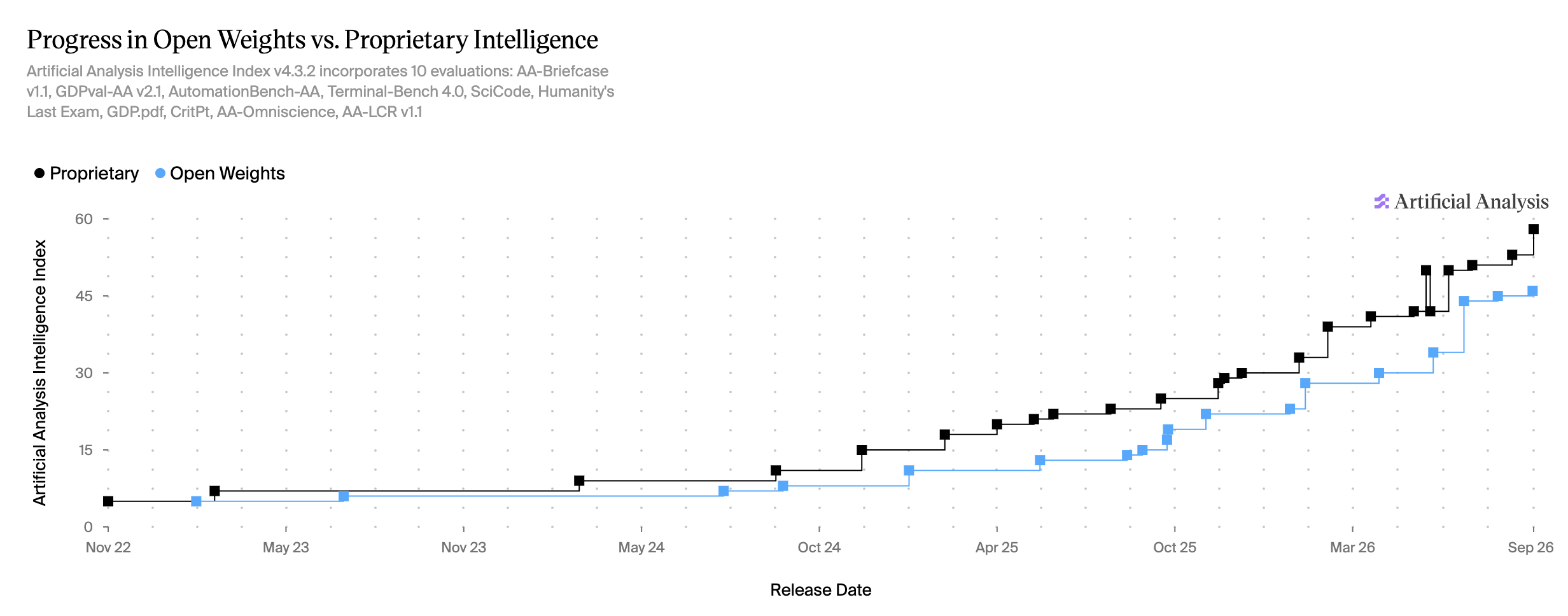
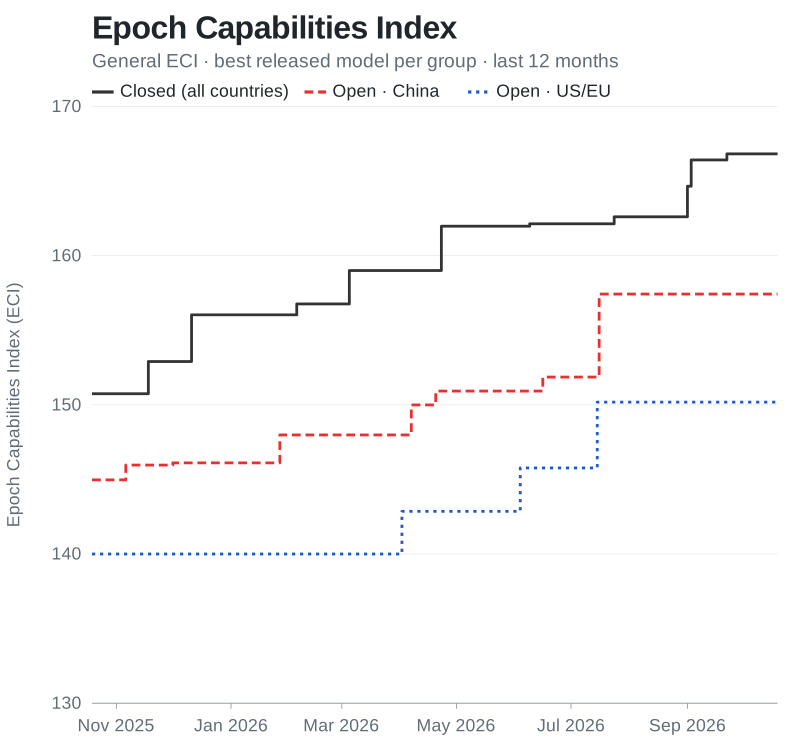
The same gap on Epoch’s Capabilities Index (~5 months)
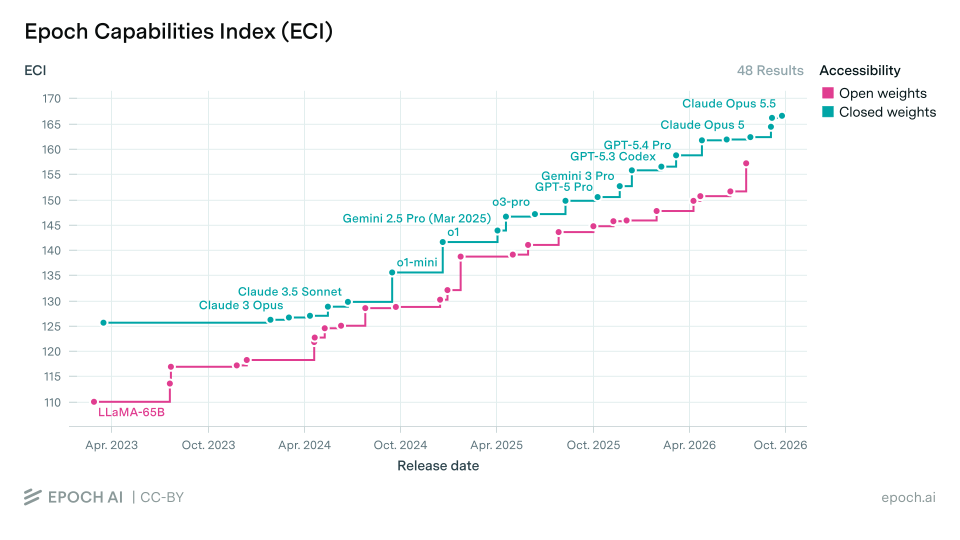
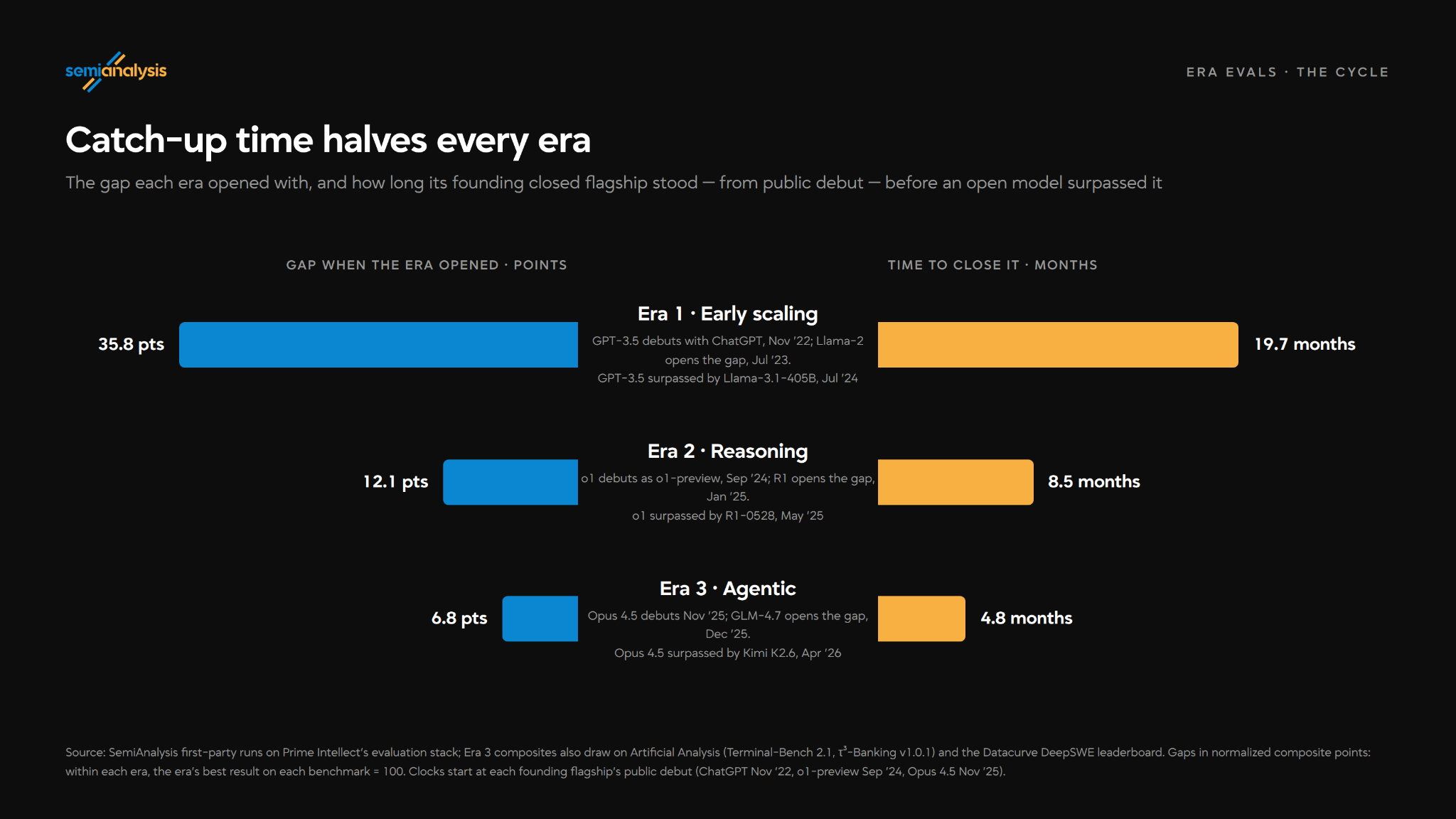
The performance gap has been decreasing over time
Are these open models just benchmaxxed?
American open models trail by another 3-4 months
Open weights anchor the price-performance frontier, but closed labs now compete there too
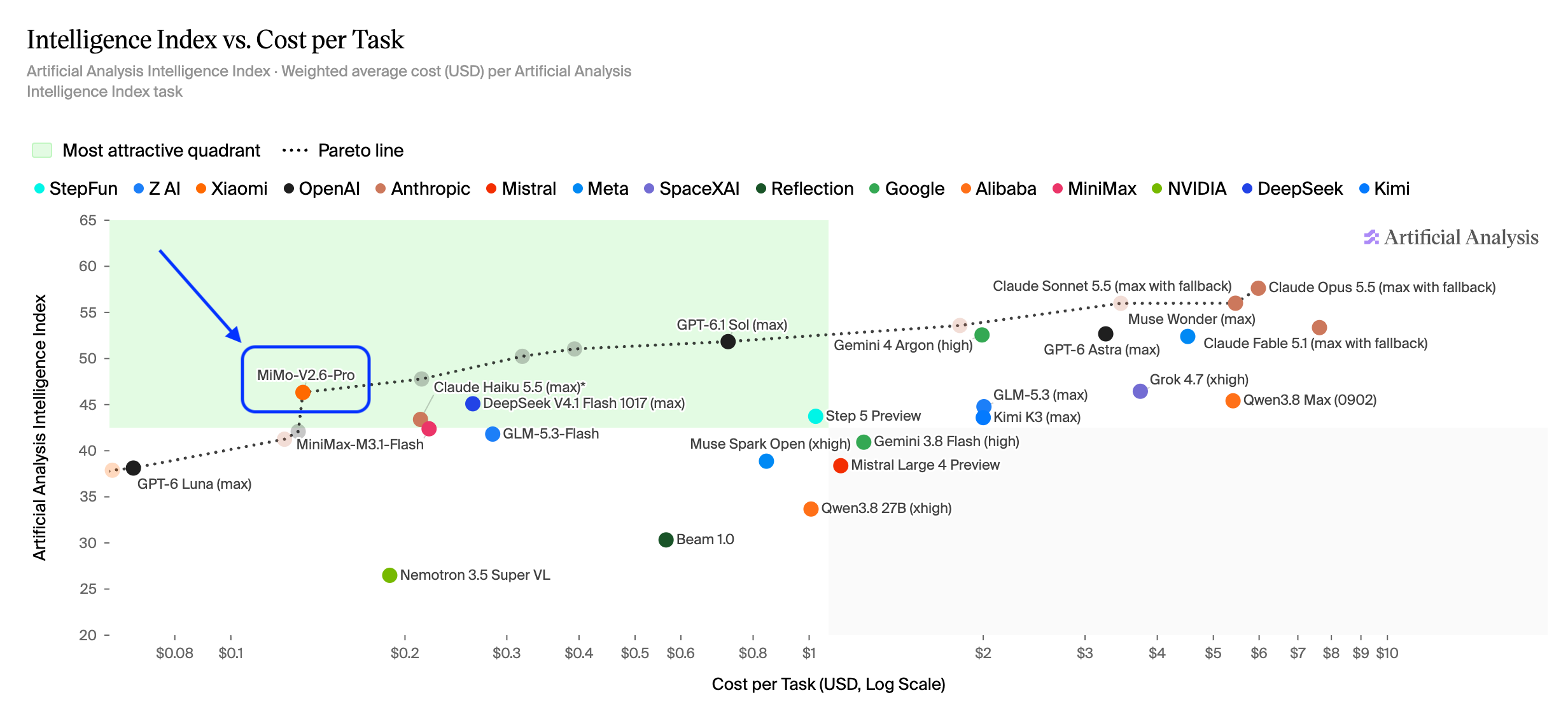
China has an abundant supply of very competitive open models

How are open models built?
The role of distillation
Training a model in three stages
Define: Distillation
Wait, I thought reasoning traces were hidden?
Very common among Chinese research labs to have teams that work to get raw reasoning tokens back from API models.
The core of the distillation story is accessing full reasoning traces that are hidden from users.
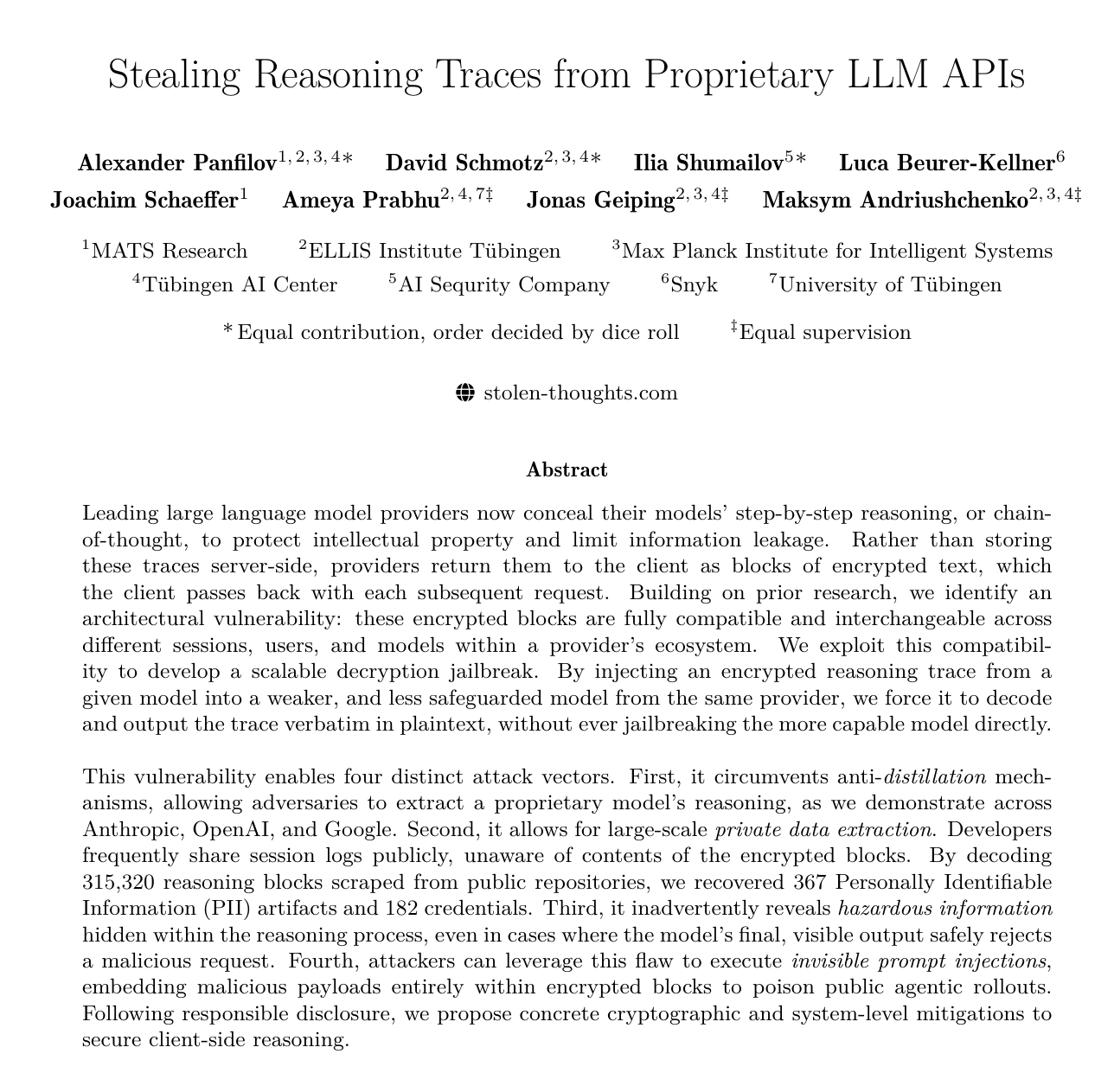
Why do the labs think distillation is such a big deal?
Why do I think distillation is not worth focusing on?
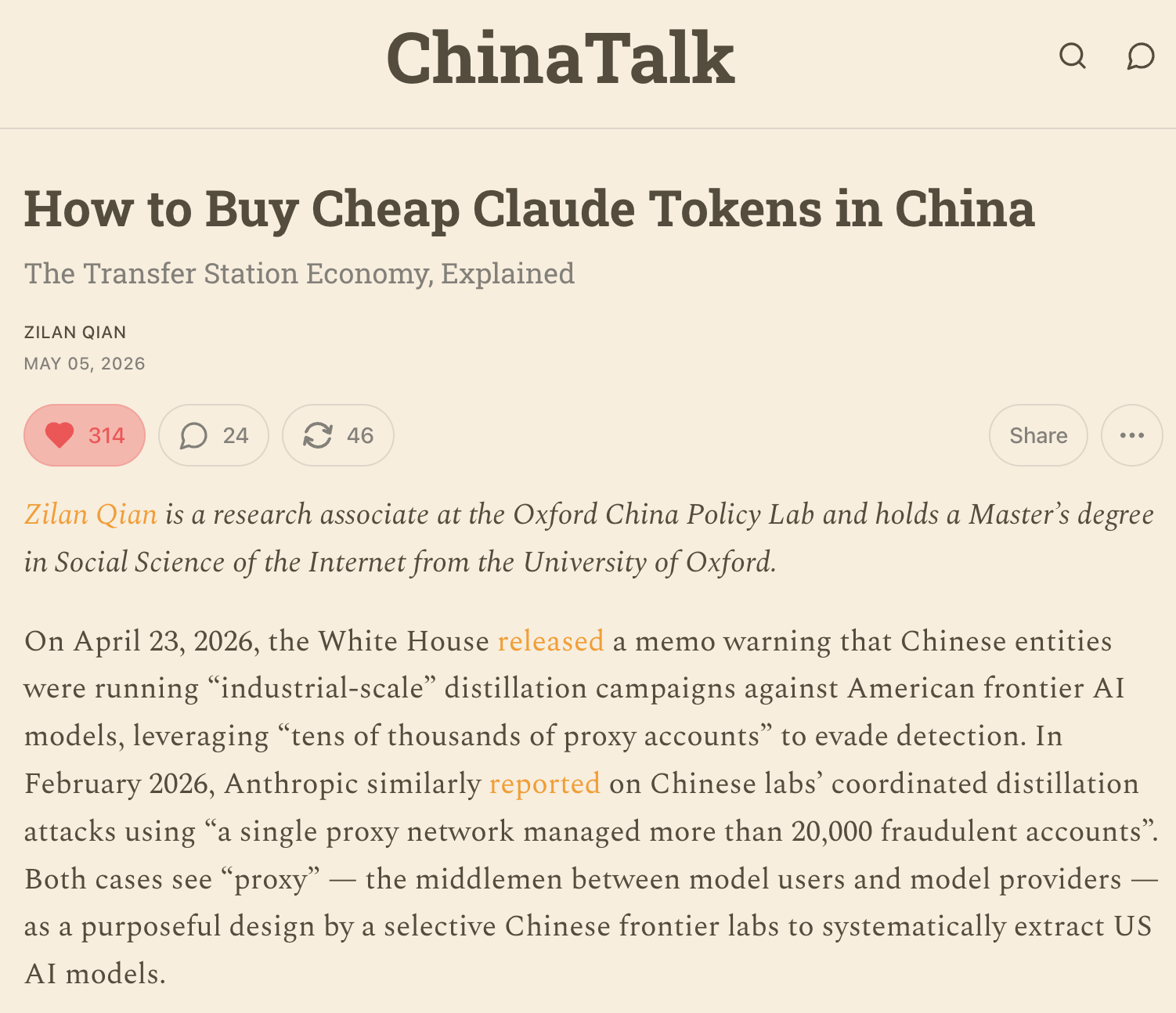
Accessing banned models in China
Claude is banned in China, but developers still love it.
- Supply: farmed free credits, resold quotas, split Max plans, stolen cards; one network ran 20,000+ fraudulent accounts (Anthropic, Feb 2026)
- Tokens are often subsidized to capture usage data and resell later
- Why do Chinese labs route requests on their products to Claude? Maybe improve downtime, maybe collect a different distribution of user data for analysis, … doesn’t fit into traditional “distillation for training” idea-space (I’m very confused by this)
Xiaomi streamed the MiMo-V2.6 RL runs live
The evidence that China isn’t solely reliant on distillation is plentiful.
- MiMo-V2.6-Pro (1.0T, 42B active)
- 30 RL steps in 5 days 7 h
- 753k rollouts (1,568 prompts × 16 per step), 75B tokens
- $2.62M
- MiMo-V2.6-Flash (309B, 15B active)
- 30 RL steps in 3 days 11 h
- 753k rollouts, 81.4B tokens
- $854k
- Both runs: ~1.5M rollouts, $3.47M on the dashboard’s meter
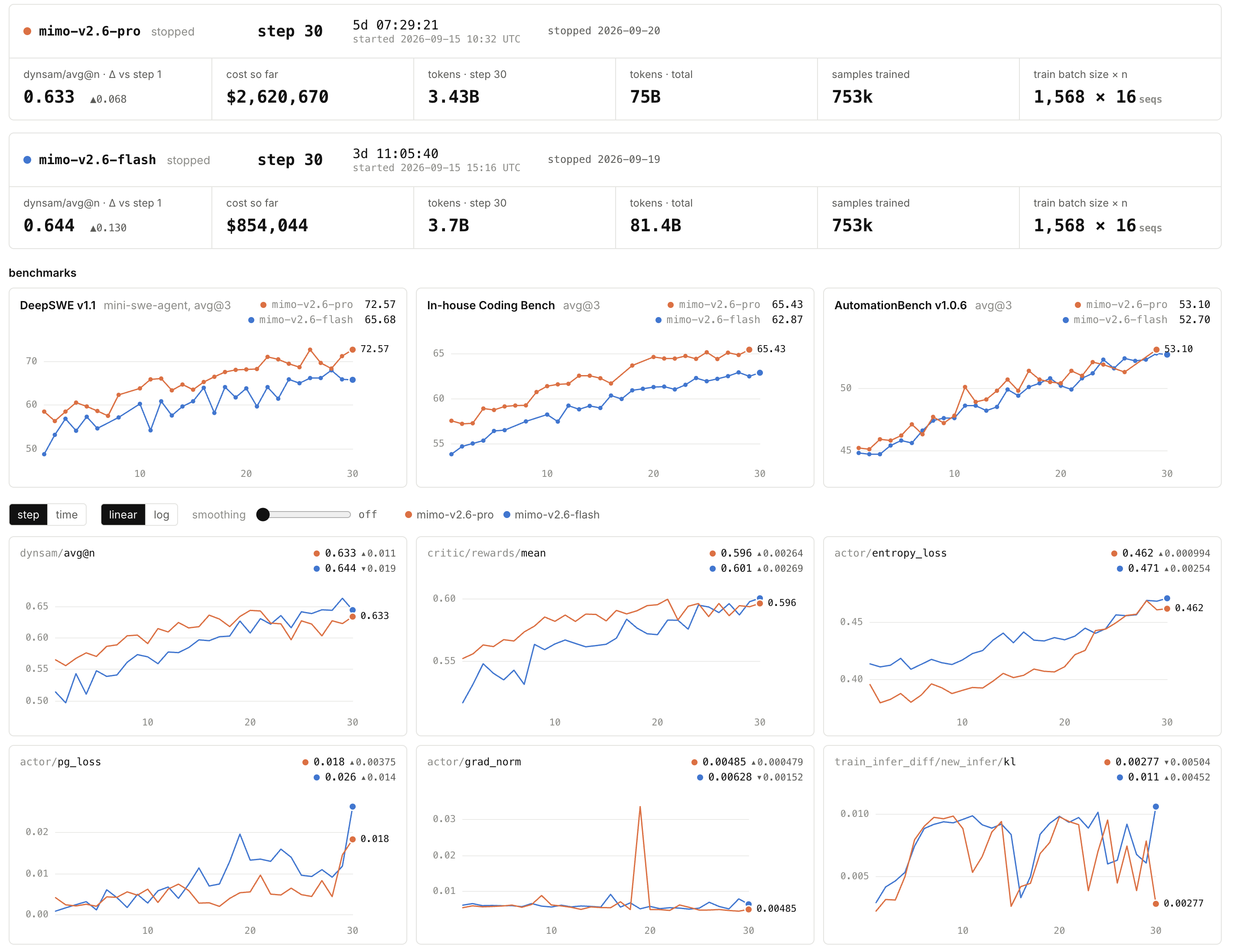
mimo.xiaomi.com/rl: public dashboard of the MiMo-V2.6 RL runs (Sep 15–20, 2026), captured Oct 20, 2026
The lasting advantage: US frontier labs have roughly 10×+ the compute of leading Chinese labs
The lasting advantage: US frontier labs have roughly 10×+ the compute of leading Chinese labs
Are people actually using open models?
Open model inference growth

Open model inference growth (compared to Google!)

Monthly downloads by organization through September 2026

Monthly downloads for OpenAI, NVIDIA, Z.ai, and Moonshot AI

The same four organizations on the major-organization axis

Monthly downloads through September 2026

Cumulative downloads through September 2026

Measuring the open model ecosystem
- Downloads are an incredibly imperfect proxy. It’s often the best we can do, especially in the narrower domain like the ~2K core LLMs we track
- US-made models of similar performance get 2-5X more adoption than Chinese counterparts – there’s serious demand!
- For middle of the pack models, adoption can take a very long time! It takes a while for organizations to build developer relationships and get practices right of releasing a model.
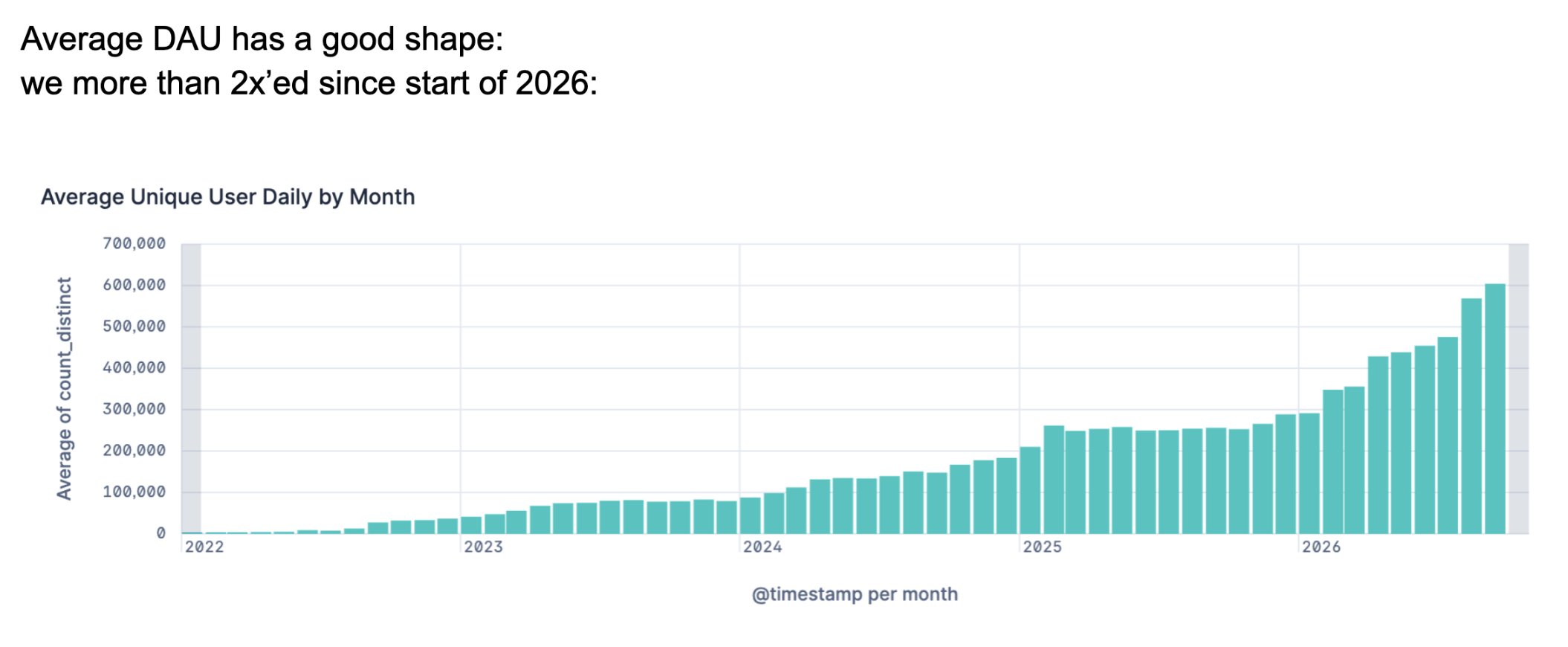
Hugging Face average daily unique users by month. Clément Delangue on X, Oct 10, 2026
Local model downloads are accelerating!

Can we measure the impact of open models on research adoption?
Research adoption – the big picture

Research adoption: Qwen and Llama

Qwen is mentioned in almost as many papers as OpenAI’s GPT models

Research adoption: all tracked models
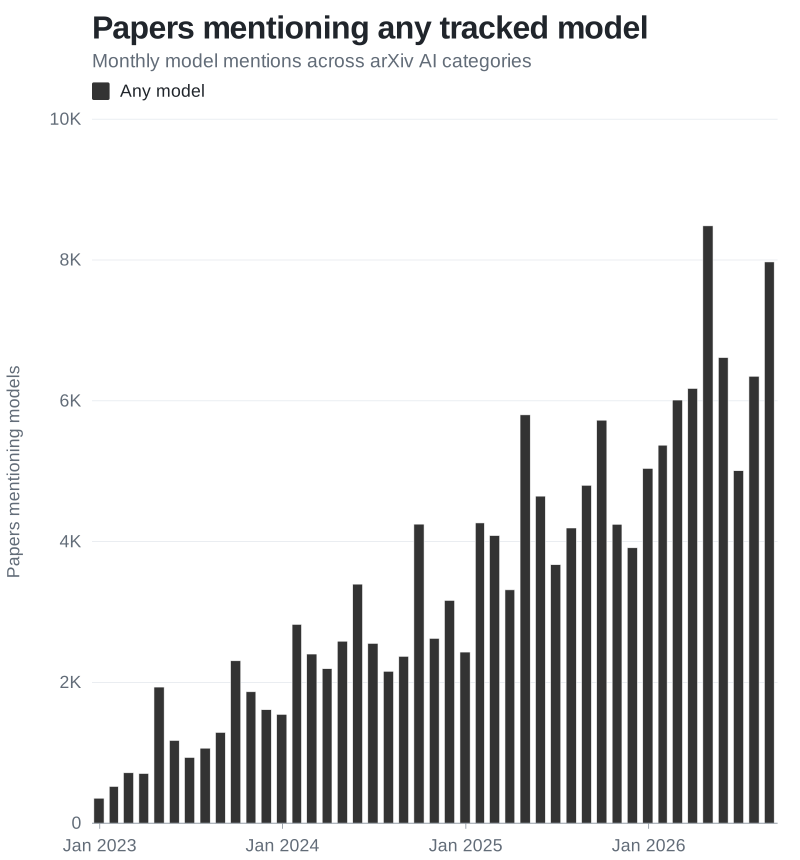
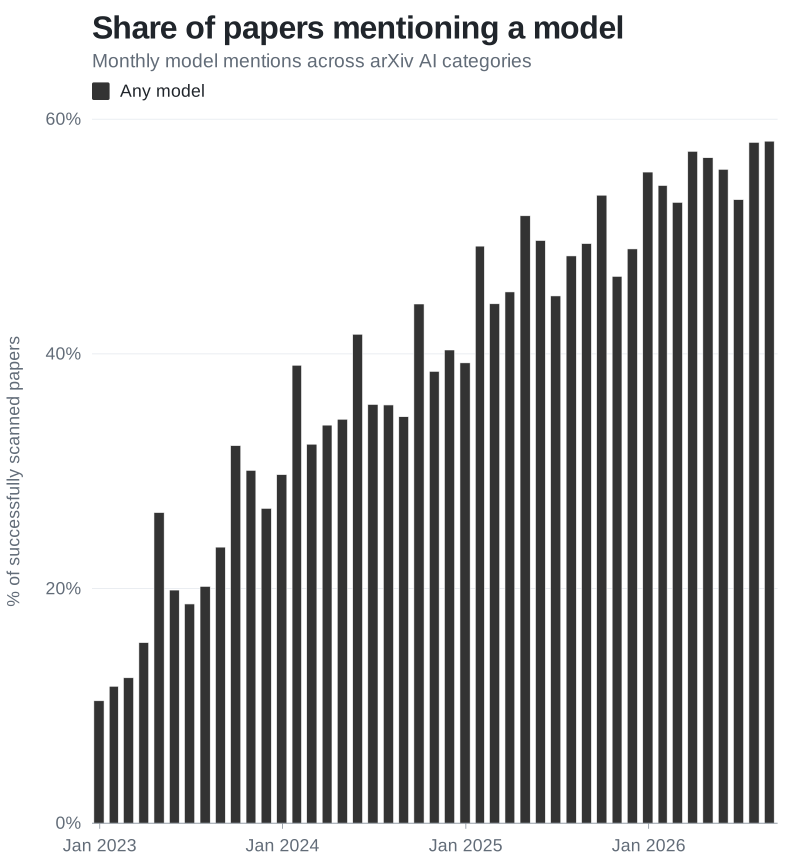
China leads clearly in all aspects of open-weight models
What comes next with open models?
Cyber risks of AI models have become real
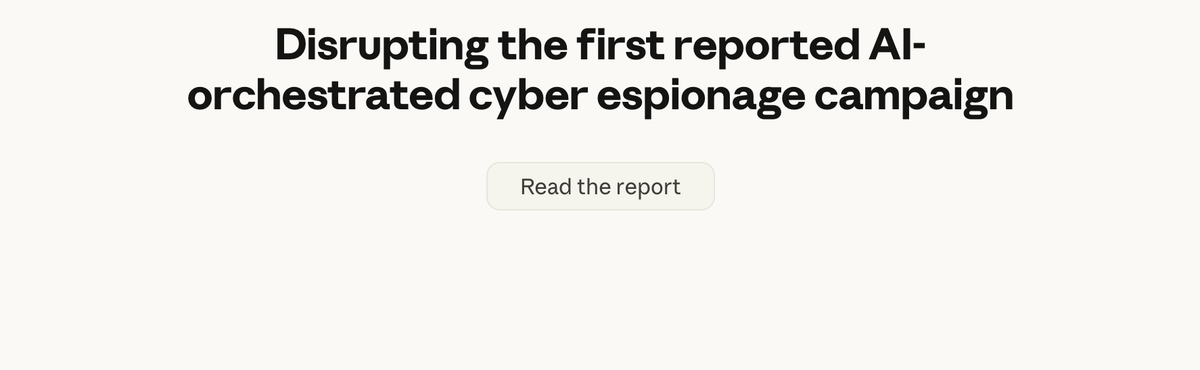
Nov 13, 2025 · Anthropic: a Chinese state group ran 80–90% of an espionage campaign against ~30 targets through Claude Code
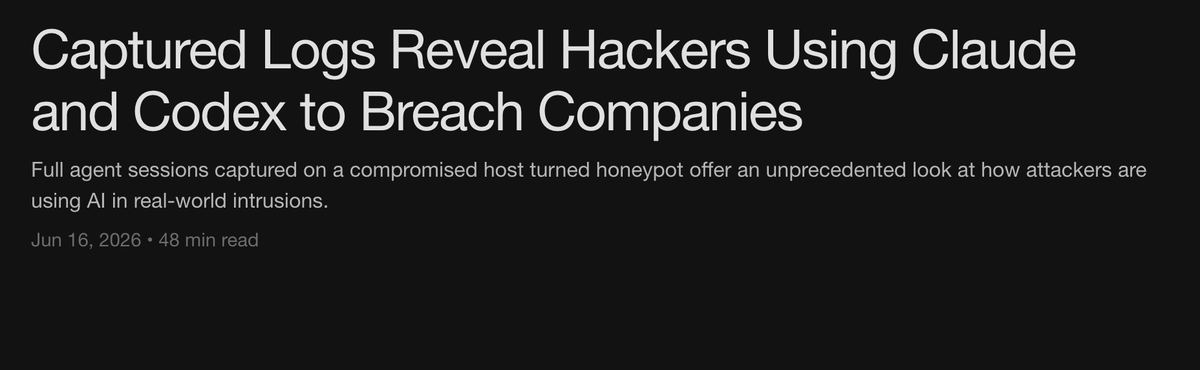
Jun 16, 2026 · OALABS: 1,000+ Claude Code and Codex sessions recovered from an attacker's staging server; 14+ companies breached
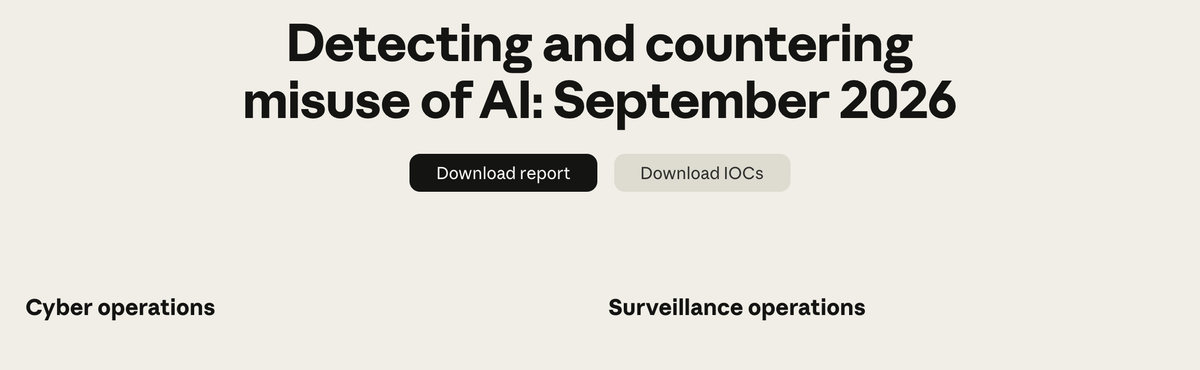
Sep 10, 2026 · Anthropic: a Russian state-nexus group automated espionage against 20+ organizations with Claude; in a 1 TB data theft "AI agents performed nearly all of the work"

Sep 13, 2026 · Hacktron: Claude Opus wrote the exploit chain that compromised OpenAI employees' ChatGPT accounts and reached internal repos (disclosed research)
Banning open models only kneecaps economic activity
… risks of open-weight models have been exaggerated for years!
Many other risks have been discussed with open-weight models. Many of posited risks of open models turned out to be overblown – such as misinformation – in this case, the risks tend to involve complex forms of distribution and/or have existing human bottlenecks.
Some risks, e.g. non-consenual deepfakes, are clearly accelerated by open-weight models. Once these thresholds are passed, you can’t “un-release” the model, so the path forward requires new societal preparation.
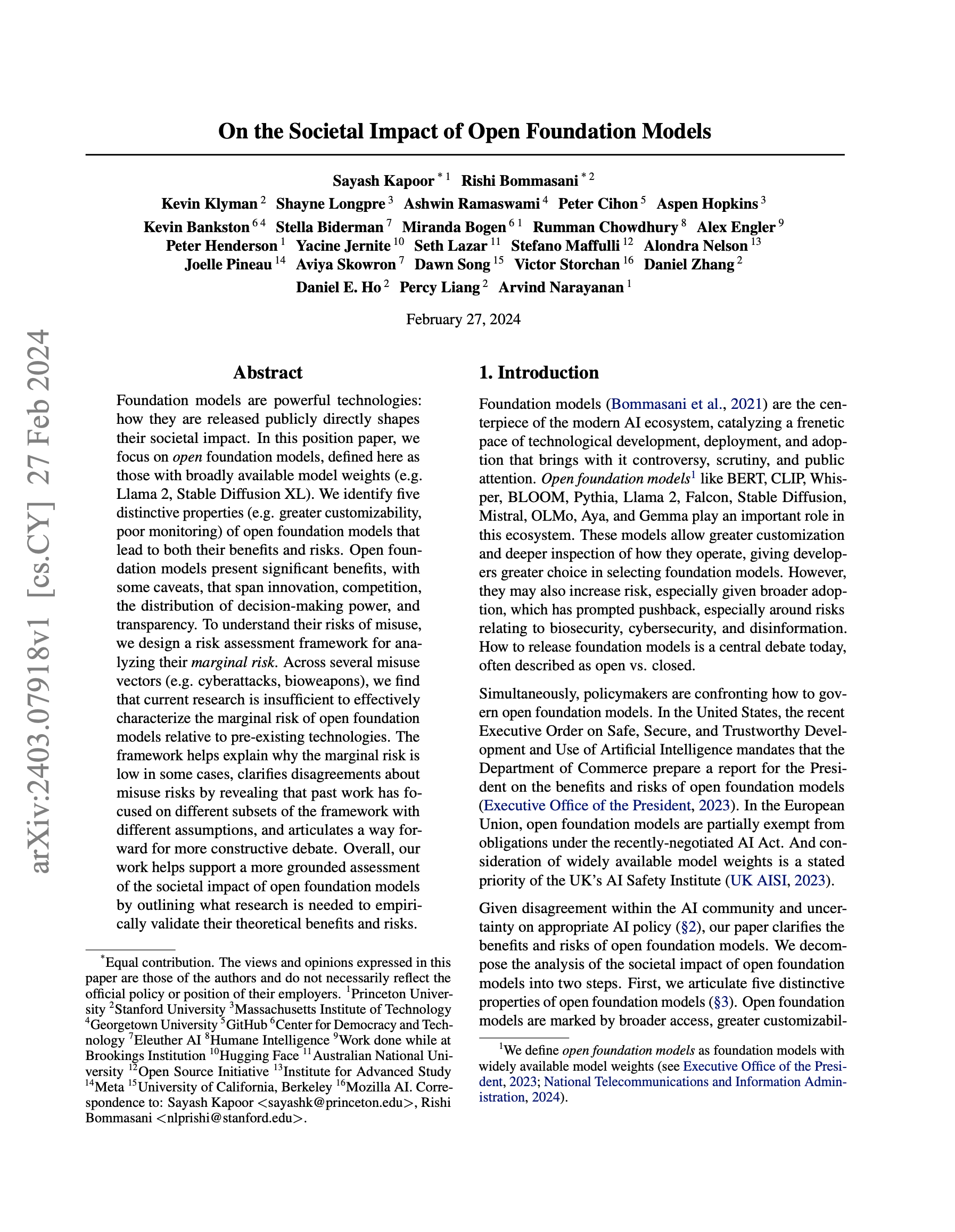
How to manage marginal risks of open-weight models
The organizations at the front of open models should look at each model and consider the marginal risks produced by their models. Today, different AI labs have very different reads on types of risks (e.g. xAI vs Anthropic), so we need national standards on risk rather than relying on each company.
This Thinking Machines article is a great read on the balance of marginal risks alongside the benefits of openness.
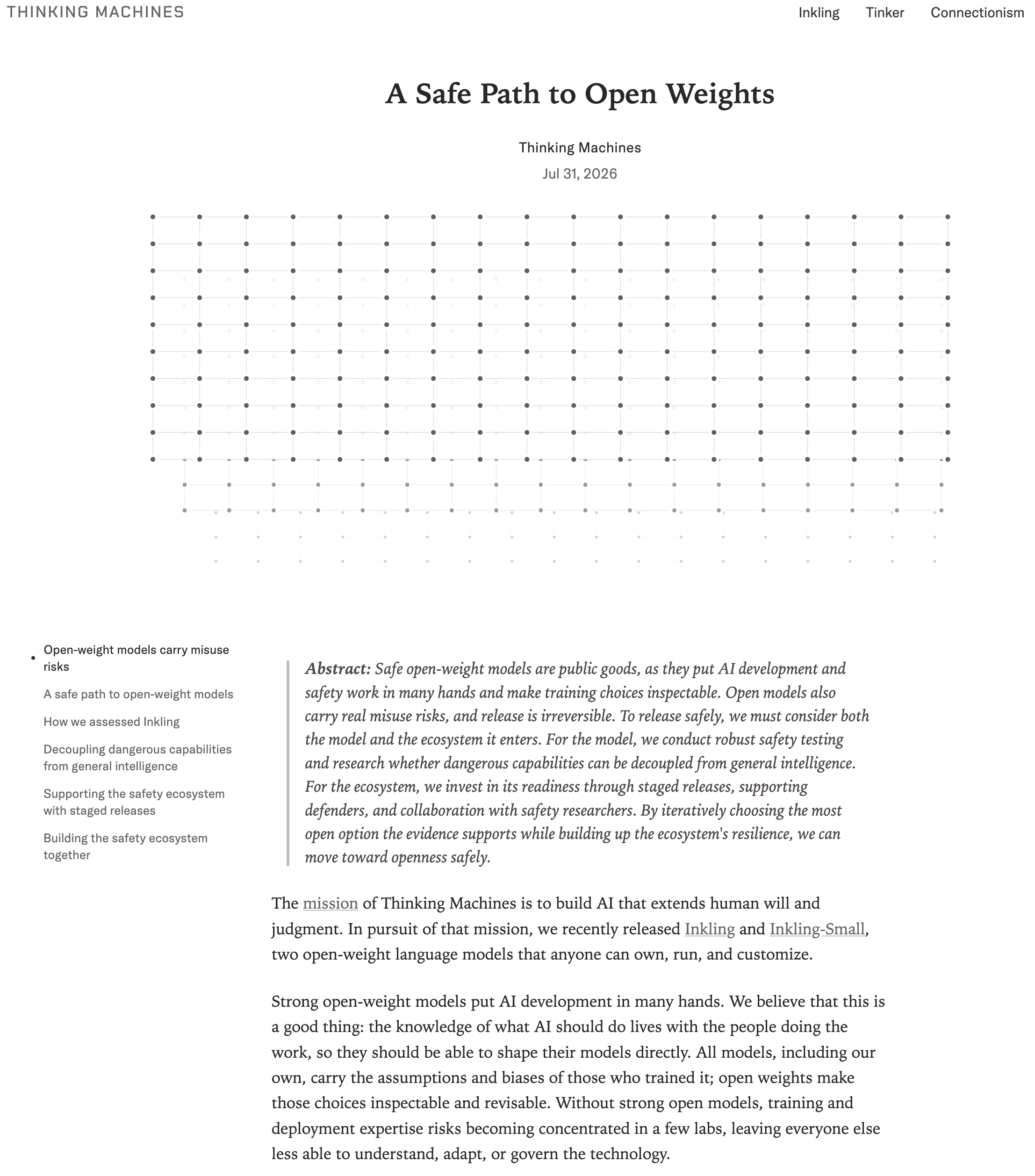
Open models are crucial to cyber defense; closed models are powerful vectors of cyber risk
This is one of multiple issues/risks in AI’s diffusion that we will all face!
Open models are at the core of long-term diffusion, reduction in concentration of power, safety-research, and many other things we need to make AI go well! We must, navigate these challenging issues along the way!
Conclusions
References (1/2)
References (2/2)
Extra slides
Was it really a live RL run?
- Dashboard runs ended Sep 19 (Flash) and Sep 20 (Pro), 2026
- RL checkpoints (Pro-RL, Flash-RL) on Hugging Face Sep 21, the next day
- The report’s pipeline puts multi-teacher on-policy distillation (MOPD2) after RL (Xiaomi LLM-Core Team, 2026)
- MOPD checkpoints (Pro-MOPD, Flash-MOPD) followed Sep 27, six days later
- Chinese labs market models differently than Western labs; the technical foundations are excellent either way
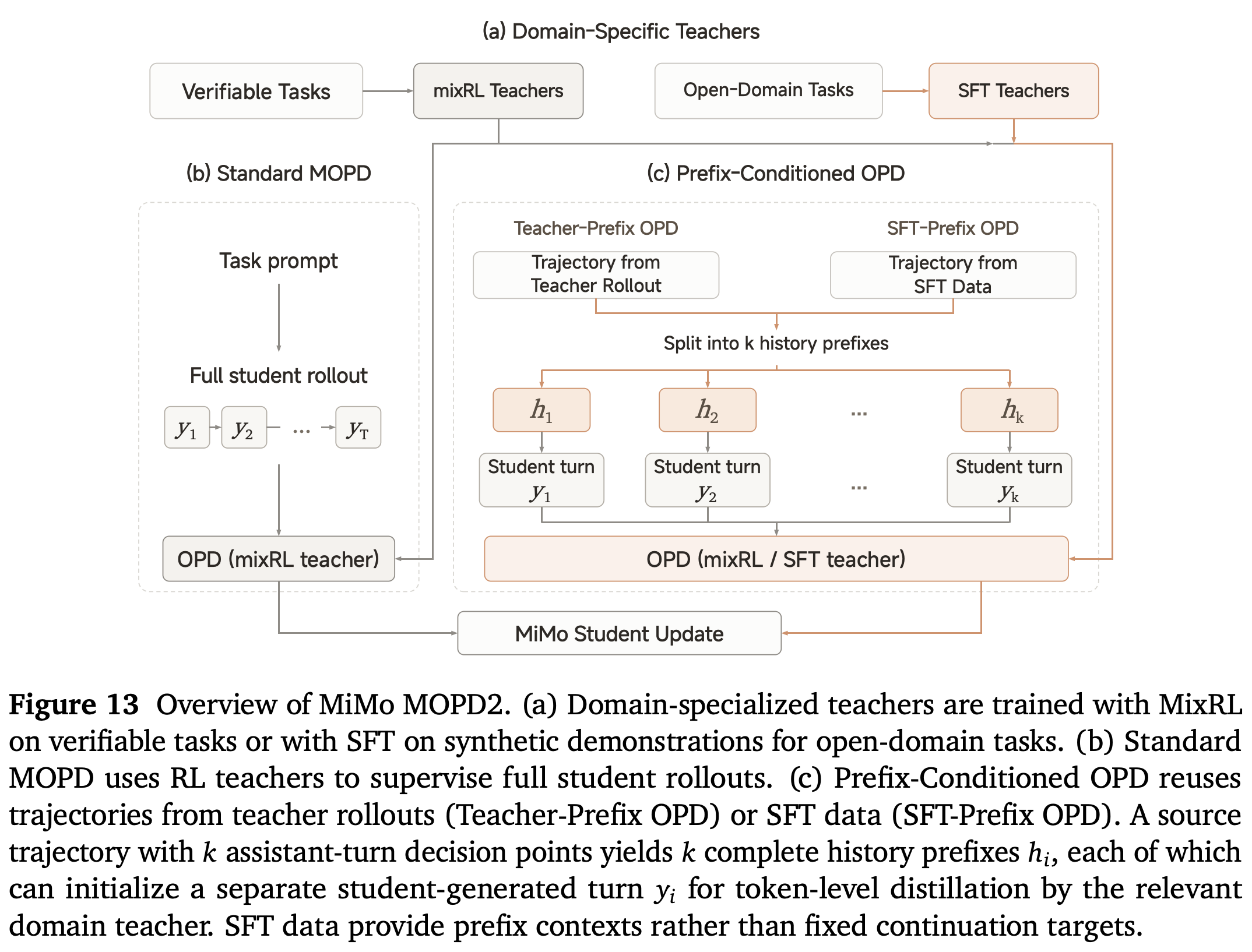
Figure 13 of the MiMo-V2.6 report (Xiaomi LLM-Core Team, 2026)
arXiv AI papers scanned per month
